







Photo: Collected
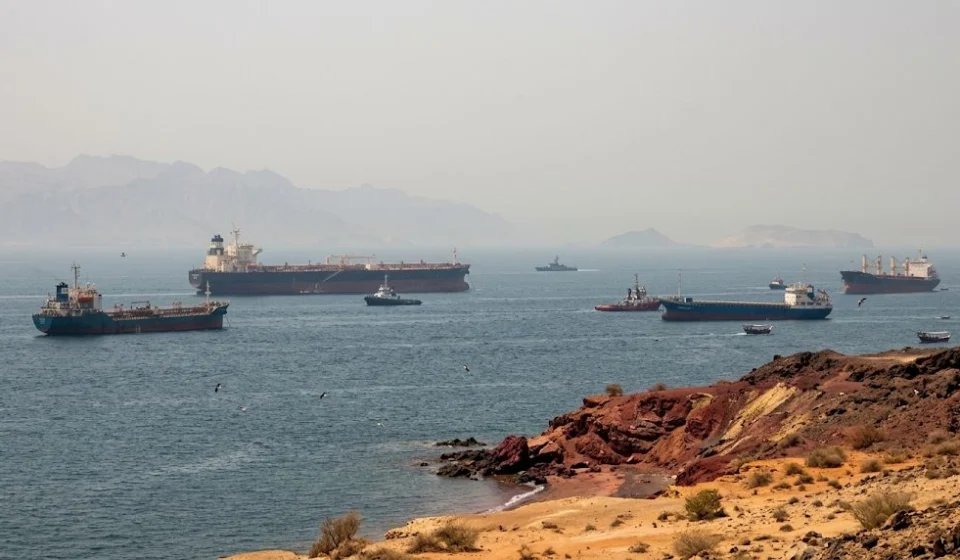
At least 25 seafarers have been killed in the Strait of Hormuz and surrounding waters since joint US and Israeli strikes on Iran began, up to 11 November. Khaled Khiari, the UN assistant secretary-general for the Middle East, Asia and the Pacific, gave the figure at a UN Security Council briefing on Friday (13 November) local time.
Saying there was no scope to accept this situation as a new normal, Khiari called for navigation in Hormuz to be fully restored. In his words, security incidents in and around this strategic waterway are only increasing. Since the conflict began, such incidents peaked in October.
The UN’s International Maritime Organization (IMO) says there were 136 ship-related security incidents in Hormuz and the wider Middle East between 1 March and 11 November, 35 of them in October and 10 in November. Khiari said new maritime incidents were being reported every day, which is unacceptable. Civilian vessels and merchant ships can never be targets of attack.
Meanwhile, Iranian authorities said on Saturday that three oil tankers caught fire after hitting mines while passing through ‘unauthorised’ or ‘prohibited’ areas of the Strait of Hormuz. Tehran has warned that ships must have Iran’s permission to cross the waterway during the conflict, and said ships breaking the rules are being attacked.
In a statement, Iran’s navy warned that any tanker entering the prohibited area in the east of the strait would be set ablaze by detonating naval mines. The country’s officials have also made clear that the strait will not be opened until the United States meets their demands.
The US military, however, claims mines have been cleared from the strait’s main routes and the waterway is now open to commercial shipping. The latest report from UK Maritime Trade Operations (UKMTO) says shipping through Hormuz has fallen by about 65 per cent compared with before the war.
Khiari also told the Security Council that sea travel in the Middle East is now extremely costly, uncertain and unsafe. Disruption to shipping is having a major negative impact on the global economy. Fuel, transport and insurance costs are rising, fuelling inflation. Food security is also under threat as fertiliser supplies have been severely disrupted.
Source: Al Jazeera
Background
According to a report on the 138th session of the IMO Council (London, 2-6 November 2026), confirmed deaths since the start of the Middle East conflict reached 25 after another seafarer died in an attack on the M/T Velos Sapphire in Hormuz on 5 November, AJOT reported.
By the numbers
In a report by The National on 13 May 2026, the UN’s count was that 11 seafarers had been killed in 38 attacks in the Gulf up to then.
In a UN News report from June 2026, IMO data showed that at least 14 seafarers had been killed in the conflict and more than 40 commercial ships attacked.
Sources
Background sources: AJOT, November 2026; The National, 13 May 2026; UN News, June 2026