







Photo: Collected
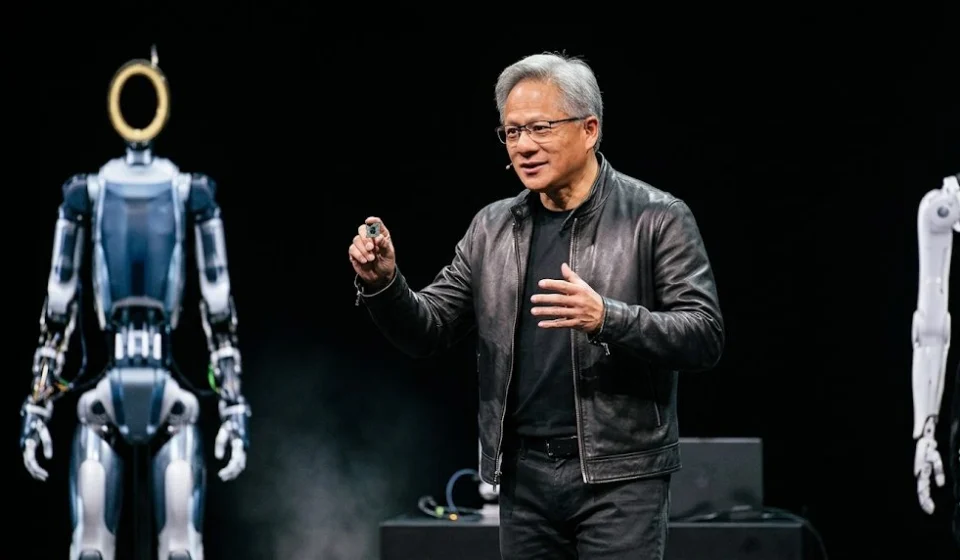
Beijing on Thursday accused the United States of using baseless espionage allegations as a pretext for imposing a technological ‘blockade’ on China. China took the stance after claims emerged that Nvidia chief executive Jensen Huang had been the target of a Chinese espionage plot.
At a regular briefing, foreign ministry spokesperson Mao Ning said, ‘China’s technological progress is driven by independent innovation and open cooperation. The United States should stop fabricating such “espionage” stories as a pretext for imposing a technological blockade.’
News agency AFP reported from Beijing that under Nvidia co-founder and chief executive Jensen Huang, the company has become the world’s top supplier of artificial intelligence (AI) chips. He has admitted to an extramarital relationship; media reports named the woman as Alice Huang.
Alice Huang is reportedly a former executive of Singapore-based Megaspeed. US officials believe she worked for Chinese intelligence.
Jensen Huang has long campaigned for easing restrictions on selling advanced chips to China.
US President Donald Trump last year approved the export of Nvidia’s H200 chips to China. Hardliners in both parties objected at the time, fearing Beijing could gain ground in the race for dominance in AI technology.
However, China has dismissed the espionage allegations surrounding Jensen Huang as a ‘baseless story’ and an ‘attempt to tarnish China’s image’.
Trump and Chinese President Xi Jinping are scheduled to meet at the Asia-Pacific Economic Cooperation (APEC) summit in Shenzhen in southern China next week. The controversy has stirred fresh tension ahead of that.
Background
According to an Al Jazeera report of 9 December 2025, Trump said at the time that H200 chips could be exported to ‘approved customers’ in China, but 25 per cent of sales would go to the US government; he also said he had informed Xi Jinping of the decision.
A TechRepublic report of 15 May 2026 cited Reuters as saying that although around 10 Chinese companies, including Alibaba, Tencent, ByteDance and JD.com, had been granted licences to buy the H200, not a single chip had been delivered by then.
Sources
Background sources: Al Jazeera, 9 December 2025; TechRepublic, 15 May 2026