
Photo: Collected
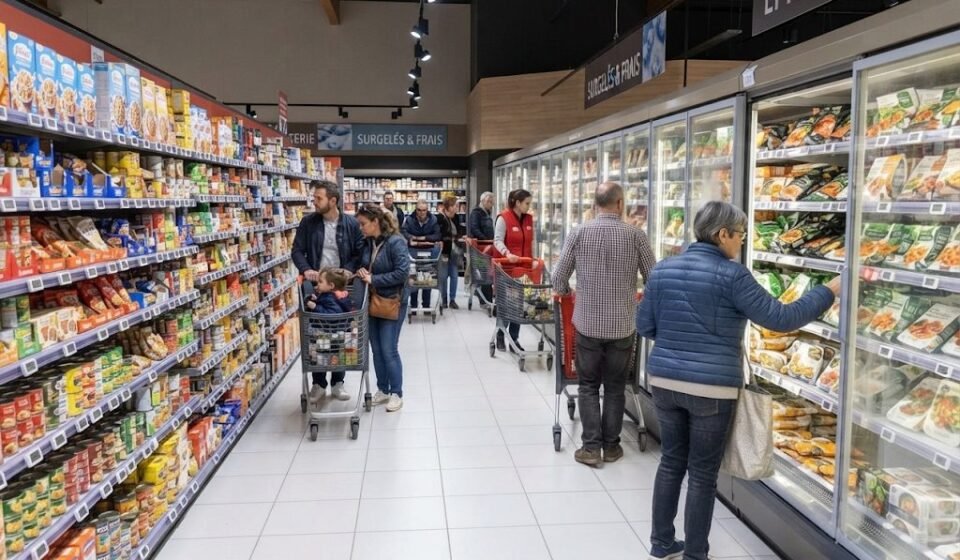
The refrigeration systems of hundreds of supermarkets in France have been hit by an unprecedented cyberattack. After the attack, the temperature of the shops’ fridges and freezers rose incredibly to as high as 50 degrees Celsius (122 Fahrenheit). This caused huge quantities of food to rot and go to waste, and fires also broke out at several shops.
Several of France’s top retailers, including Intermarché, Coopérative U and E.Leclerc, confirmed the attack on Monday (12 October).
At least 300 supermarkets of Intermarché or its Netto brand, more than 100 of Coopérative U and 80 of Carrefour, about five percent of Monoprix outlets and several E.Leclerc supermarkets were hit by this remotely carried out hacking. According to the Paris prosecutor’s office, the attack forced a defrosting process to start in the connected refrigerators, so all fresh and frozen products are having to be thrown away.
According to Intermarché Chief Executive Thierry Cotillard, this unprecedented incident caused financial losses of several tens of millions of euros across the country in a single day. Considering the seriousness of the incident, French Prime Minister Sébastien Lecornu has ordered the National Cybersecurity Agency (ANSSI) to investigate. Whether any other European country has been affected is also being examined in coordination.
Coopérative U Chief Executive Officer (CEO) Dominique Schelcher said their supermarket group had also been targeted in the same way. He wrote on the social media platform X, ‘Targeting equipment essential for preserving the French people’s fresh produce and for food supply is an extremely serious incident and it is unprecedented.’
According to ANSSI, the hackers carried out the attack by remote control, exploiting a vulnerability in software made by the Danish company Danfoss. Danfoss, however, says only shops running older versions or firmware were affected; it had already advised customers to use updated technology.
According to cyber experts, Spain, Portugal, Poland, Germany and Belgium have also faced similar problems. Technology security analysts see this as a global warning; in their view, international action is urgently needed to prevent such attacks on the energy sector or hospitals in the future.