



Photo: Collected
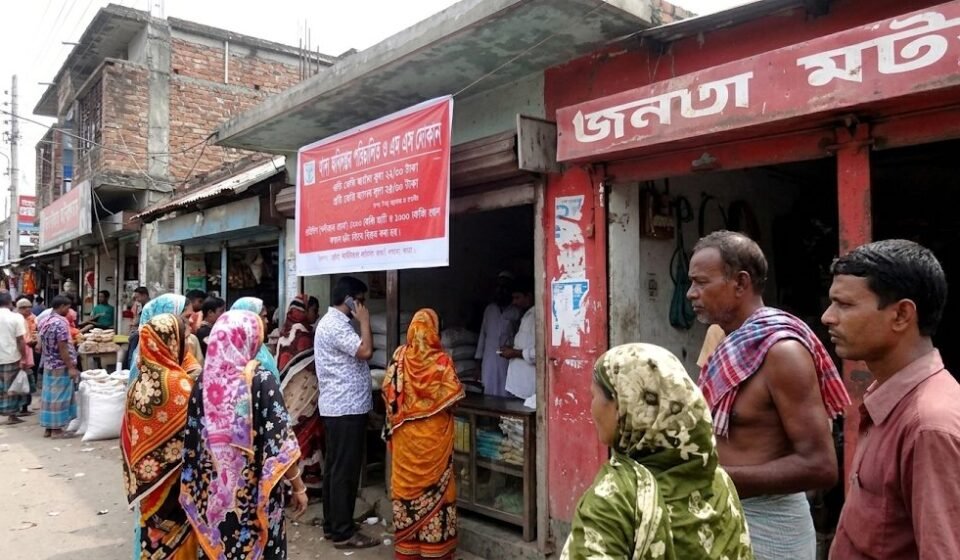
The parliamentary standing committee on the food ministry held its first meeting at the Jatiya Sangsad Bhaban on Thursday. The ministry told the meeting that work is under way on a new policy for appointing dealers under the open market sale (OMS) and food-friendly programmes, and that it hopes the policy, once in force, will bring greater transparency to the appointment process.
The information was disclosed in a press release sent from the Jatiya Sangsad Secretariat.
Committee chairman Abdus Salam Pintu presided over the meeting. Food Minister Afroza Khanam, State Minister Abdul Bari, Abul Kalam, Abu Taleb Mondal, Abdul Karim and Shamsunnahar Begum took part as members of the committee.
Chairman Abdus Salam Pintu told the meeting, ‘It is our responsibility to deliver safe and unadulterated food to the people.’ Calling on all concerned to carry out their duties with honesty and dedication, he recommended following a digital method so that there is no flaw in identifying beneficiaries. He also sought the all-out cooperation of committee members and everyone concerned to make the food ministry’s activities more dynamic.
The ministry told the meeting that 6,653 posts are vacant in the food ministry and the departments and agencies under it. The committee recommended stopping the recruitment of manpower through outsourcing and filling these vacant posts quickly through a proper appointment process.
The meeting held a detailed discussion on controlling food adulteration. State Minister Abdul Bari said emphasis is being placed on increasing the effectiveness of law enforcement, conducting regular drives and taking legal action against those responsible, in order to prevent adulteration in all kinds of food, including baby food.
The state minister said efforts are under way to strengthen the Bangladesh Food Safety Authority, including with the necessary logistical support, so that it can play an effective role at the field level. He said work is also under way to set up mini laboratories at each of the authority’s offices and to supply mobile vans for monitoring food adulteration.
The meeting also took up the steady decline in the amount of arable land because of unplanned urbanisation. The ministry said strict surveillance and regular monitoring are being carried out to conserve agricultural land and to prevent its unauthorised use for non-agricultural purposes.