



Photo: Collected
The government has raised the prices of all types of fuel oil in the country to cope with subsidy pressure. The Ministry of Power, Energy and Mineral Resources said last night that the decision was taken as fuel oil prices and freight charges in the international market have risen significantly under the impact of the ongoing war in the Middle East.
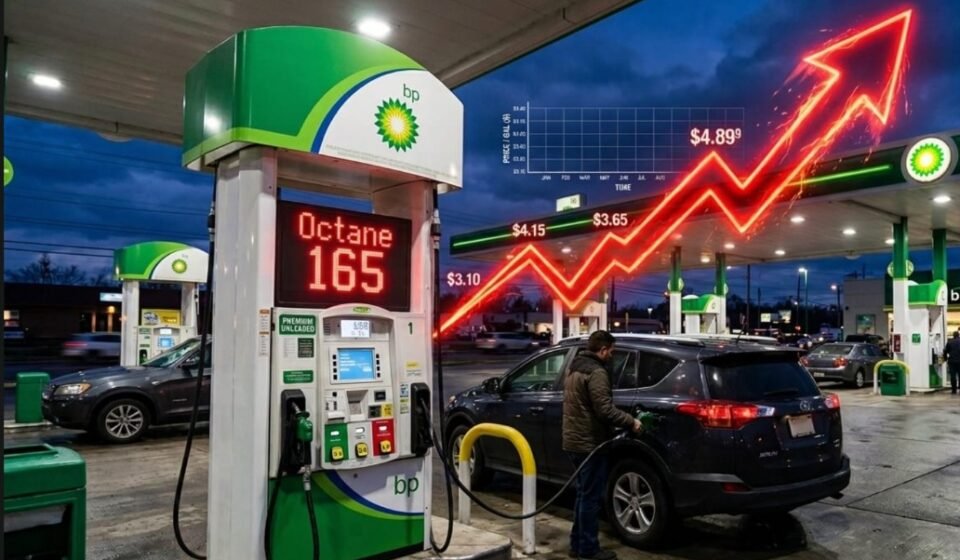
According to the new rates, the price of diesel has risen from Tk 115 to Tk 135 per litre, the price of kerosene from Tk 135 to Tk 155 and the price of octane from Tk 145 to Tk 165. Alongside this, the price of petrol has been raised from Tk 140 and fixed at Tk 160. The new prices took effect from 12 midnight last night.
The gazette notification mentioned that fuel oil prices and freight charges in the international market have risen significantly since March this year because of the ongoing war in the Middle East. Although prices in the world market more than doubled, they were not fully adjusted in the country in consideration of public interest. As a result, the loss of the Bangladesh Petroleum Corporation (BPC) from March to August stood at about Tk 22,875.66 crore.
Earlier, the price of diesel had been raised by Tk 15 to Tk 115 from 18 April. At the same time, the price of kerosene was raised by Tk 18, petrol by Tk 19 and octane by Tk 20. In June, the prices of kerosene, petrol and octane were raised by a further Tk 5 each. After that, prices remained unchanged through July, August and September.
According to the notification, BPC is losing about Tk 89 on every litre of diesel at the current international market rate. This puts the amount of loss at about Tk 109 crore every day. In the diesel segment alone, the loss could be about Tk 40,000 crore a year. The notification said that as a result of raising the price by Tk 20 per litre, it will be possible to reduce BPC’s annual loss by about Tk 10,000 crore.
However, costs in the transport, agriculture and goods transport sectors may rise as the new prices take effect. This may also have an impact on the market for daily essentials.
The Energy Division further said that as fuel oil prices in the country are lower compared to international market rates, a risk of oil being smuggled to neighbouring countries has been created. In this situation, the decision to adjust prices has been taken to prevent fuel oil smuggling, save foreign exchange and reduce BPC’s losses.