‘Airport for airport’: Houthis’ declared strategy in attacks on Saudi installations

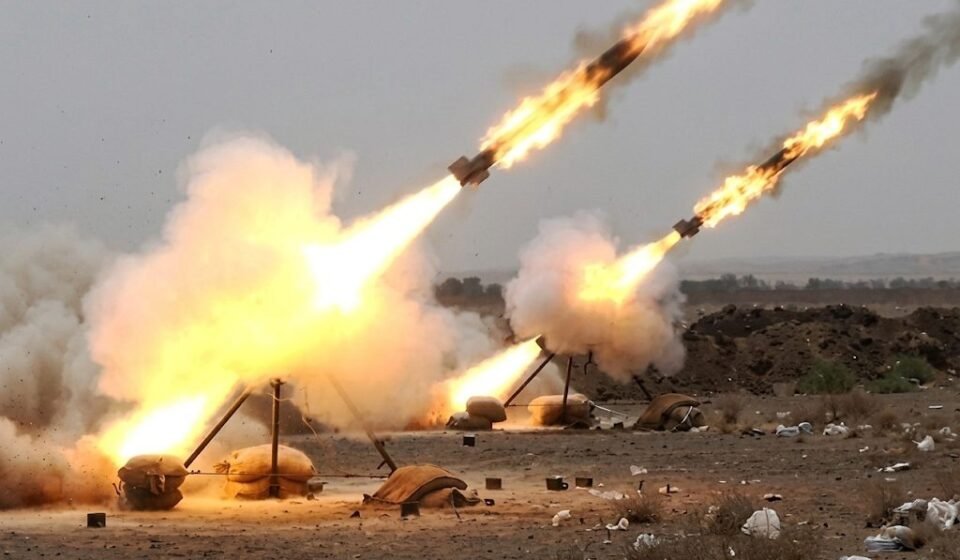
Photo: Collected
Yemen’s Iran-backed Houthi group had warned earlier that it would target Saudi Arabia’s airports. It is believed that a tendency to carry out attacks on Saudi Arabia’s key installations is now being seen in line with that declared strategy. The group calls its strategy ‘blockade for blockade’ and ‘airport for airport’.
As of the writing of this report, the spokesperson for the Houthis’ armed wing had not issued any statement claiming responsibility for the attack on King Khalid International Airport in the Saudi capital Riyadh. However, the group had said earlier that Saudi Arabia’s airports were on its list of main targets.
The Houthis are also known as Ansar Allah. According to their statements, this strategy has been adopted to respond to Saudi air strikes in various Houthi-controlled provinces and the attack on the international airport in Yemen’s capital Sanaa. In other words, the policy they are following is a blockade in response to the opponent’s blockade and targeting an airport in response to an attack on an airport.
Saudi Arabia’s important economic and infrastructure installations are receiving particular importance in this strategy of retaliatory attacks. The airport in the capital Riyadh and the oil installations of Aramco, Saudi Arabia’s state-owned oil company, are among the group’s targets. Riyadh’s King Khalid International Airport is one of the country’s main aviation hubs.
The Houthis regard Riyadh’s airport and Aramco’s oil installations as important assets of Saudi Arabia. The group’s statements indicate that by attacking these installations it wants to put pressure on Saudi Arabia and respond to the country’s military operation in Yemen.
Saudi Arabia, for its part, has warned that the Houthis’ attacks will be answered. However, the report notes that even after the country carried out multiple air strikes in Yemen, the Houthis have retained the capability to fire ballistic missiles and drones towards Saudi territory.
In such a situation, the risk of tit-for-tat attacks between Saudi Arabia and the Houthis is rising. If key infrastructure such as oil installations and airports is targeted, uncertainty could be created particularly in the energy sector and aviation as well as in regional security.
However, the Houthis have not formally claimed responsibility for the attack on King Khalid International Airport. For that reason, no information that could confirm the group’s direct involvement in that attack had been found as of the writing of this report.